
Four finished maps to start from
Each one opens as a new map, so the map you were working on stays as it was. They are the maps the app ships: real titles, connections that mean something, and a situation already set, so the brief reads like a brief from the first copy.
Checkout 500s: investigation
The walkthrough's case: checkout fails for some people, nobody knows why, and you want a coding assistant to read the repository instead of inventing a plausible theory. Twelve blocks that separate the symptom from the beliefs around it, with the reproduction as the first boundary. The walkthrough builds it from nothing.
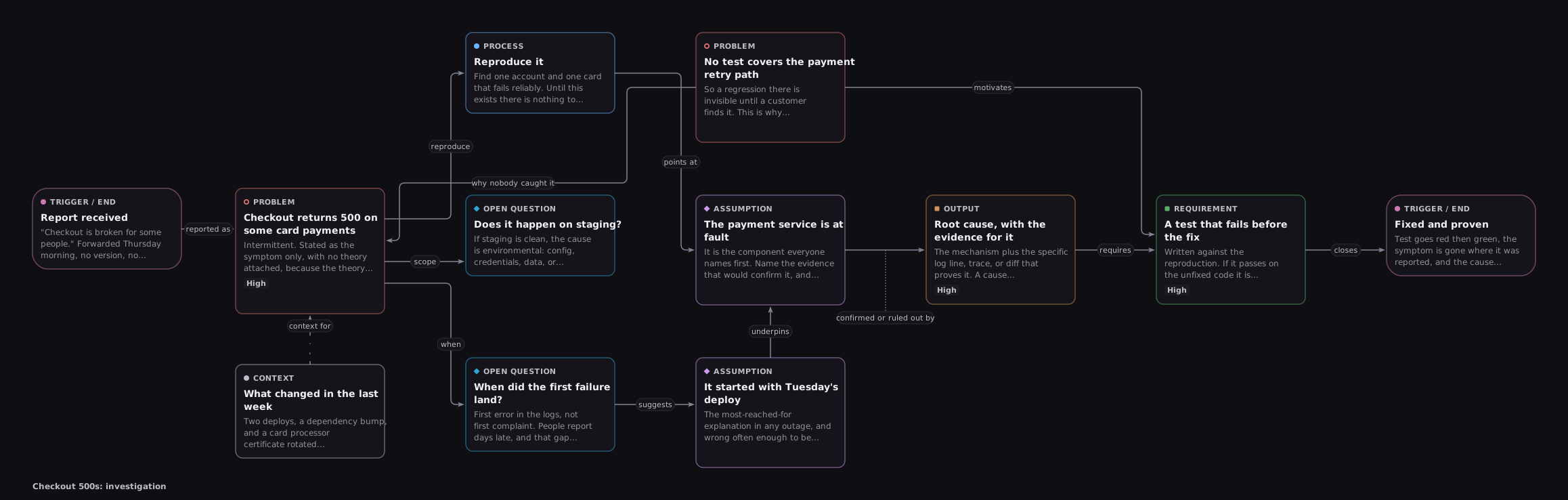
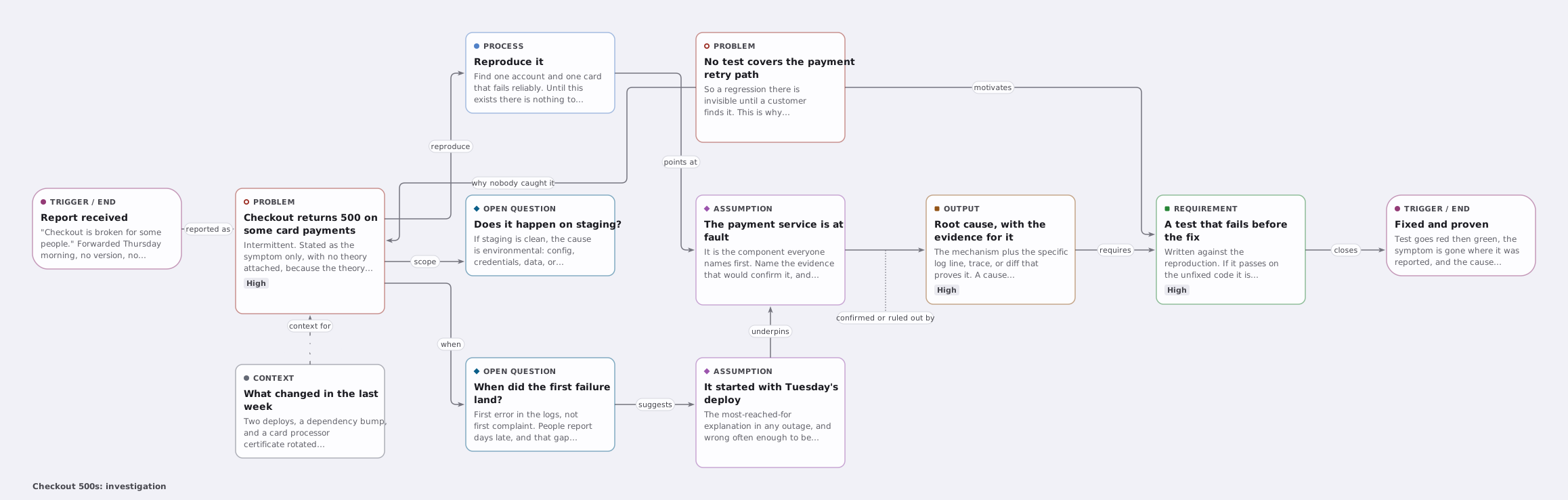
The whole map (it opens at full size), then where it starts, at reading size.
### Constraints and boundaries
- Reproduce before theorising
## Open questions (review before assuming)
• Does it happen on staging?Your own bug, not this one? : the same shape without the checkout story, 13 blocks, framed for a repository you have open and told to reproduce before theorising.
Inherit a codebase
Somebody left, the repository is yours now, and the first wrong move is trusting what the README says. This map works from an unknown repository to a first safe change: what is believed, what is actually verified, and the questions whose guessed answers cost the most.
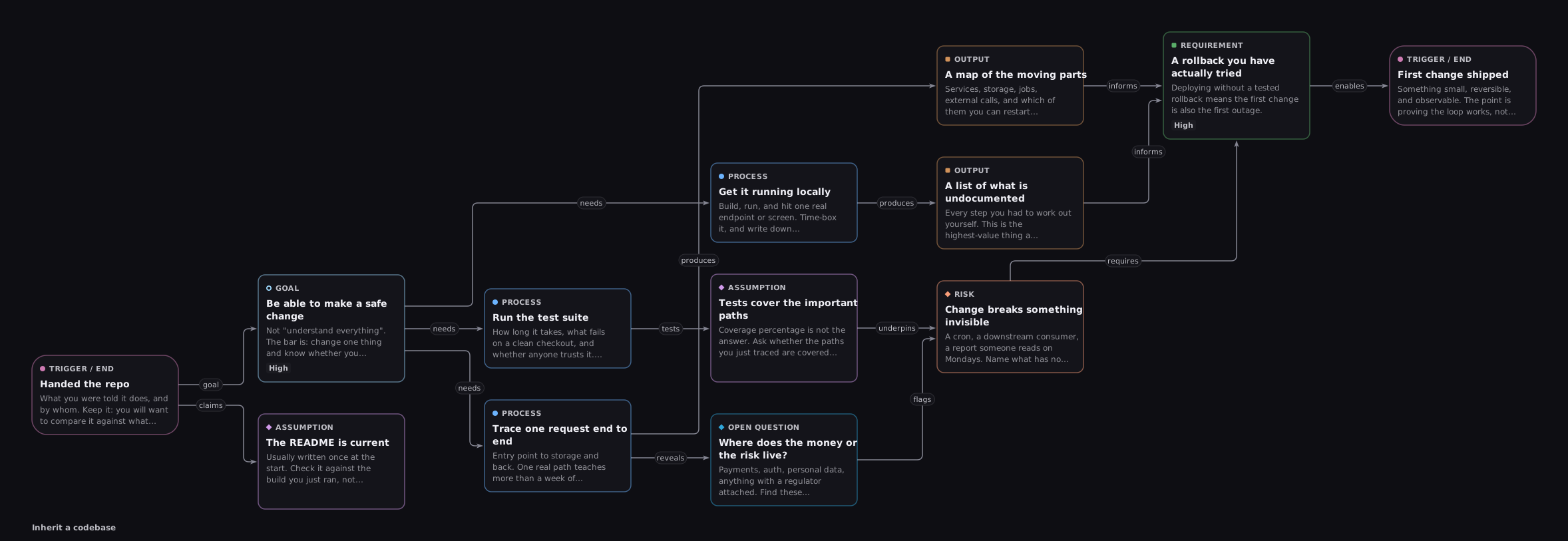
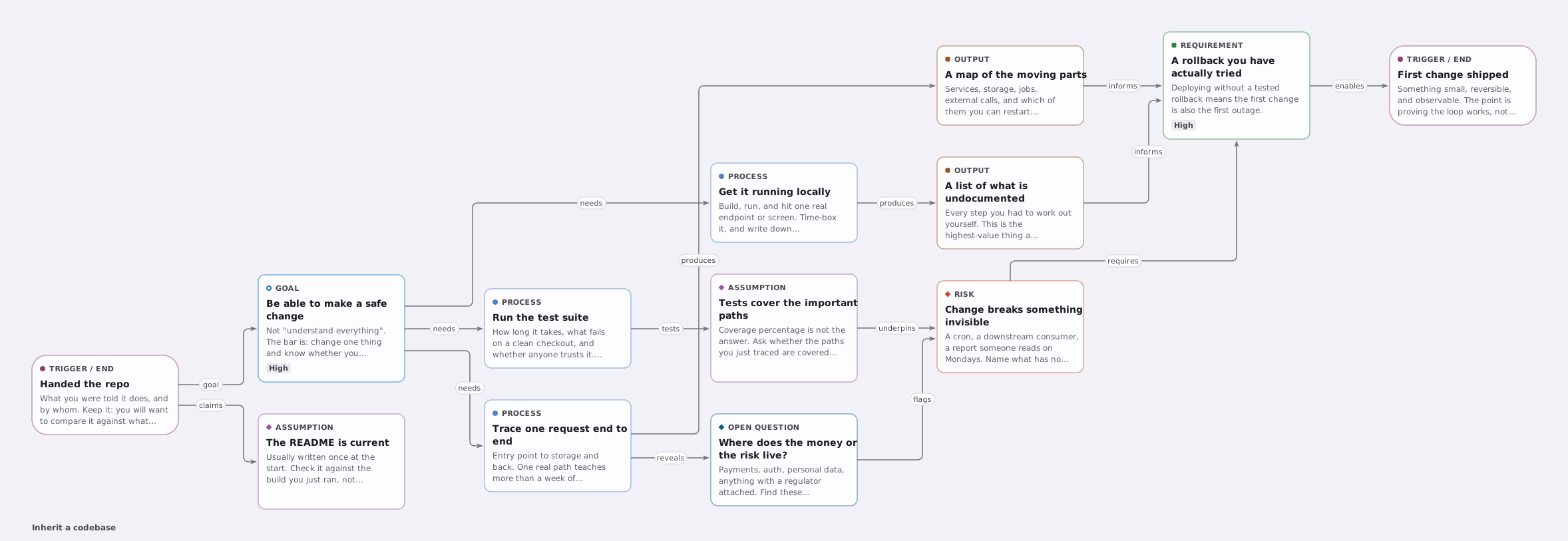
The whole map (it opens at full size), then where it starts, at reading size.
### Constraints and boundaries
- Read before writing
## Planning gaps detected
• Goal "Be able to make a safe change" has nothing under it: no requirement, metric or implementation.Migrate a system
Old to new with a way back at every step. The part most migrations skip is the reconciliation loop: old against new, per entity, every day, with a threshold that blocks the next phase. This map carries it, plus the risks that live at the cutover and an end that only fires when the old system is off, not merely unused.
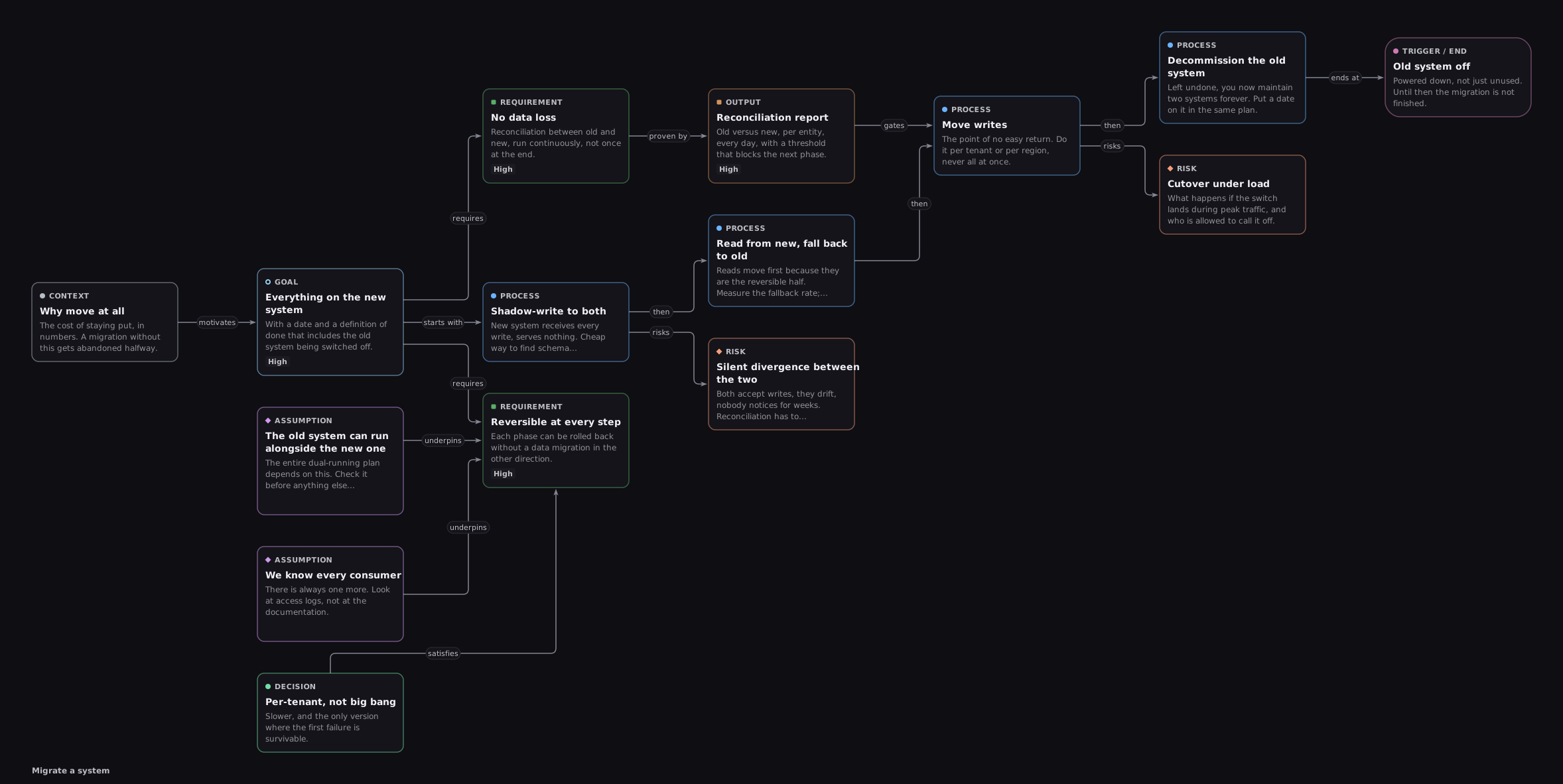
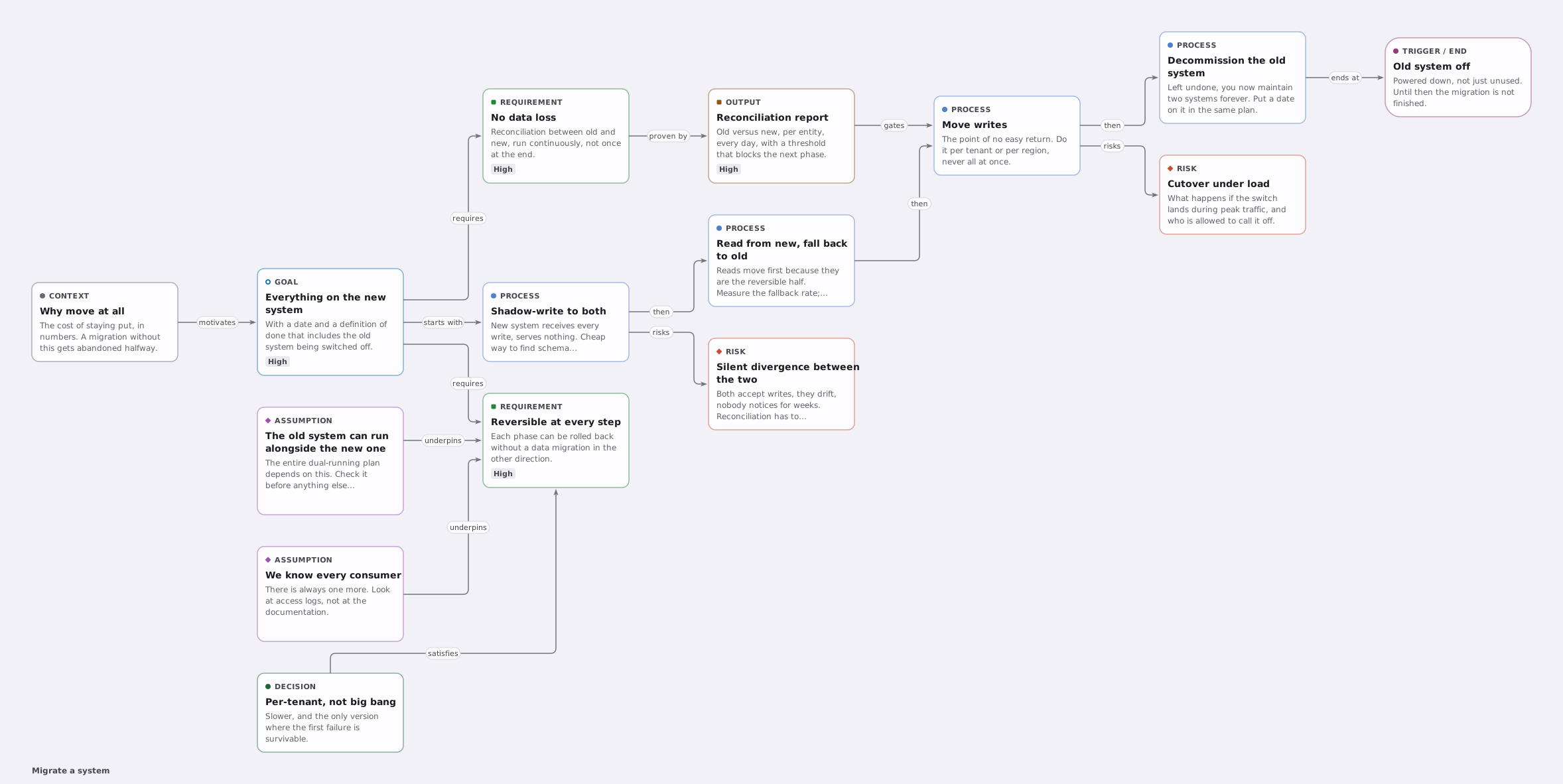
The whole map (it opens at full size), then where it starts, at reading size.
### Constraints and boundaries
- No big-bang cutover
## Planning gaps detected
• Requirement "No data loss" has no acceptance criteria, so "done" is undefined.Plan a recurring report
Reports that go out every sprint and every quarter, mapped the way the six steps read: the goal they serve, who reads each one, the lead time that says whether it works, and the difference between the work done once (building the scheduler, an Implementation) and the run that repeats (a Process, started by a Trigger). One weekly report reaches nobody on the map, and the gap check says so: that is the question worth asking before automating it.
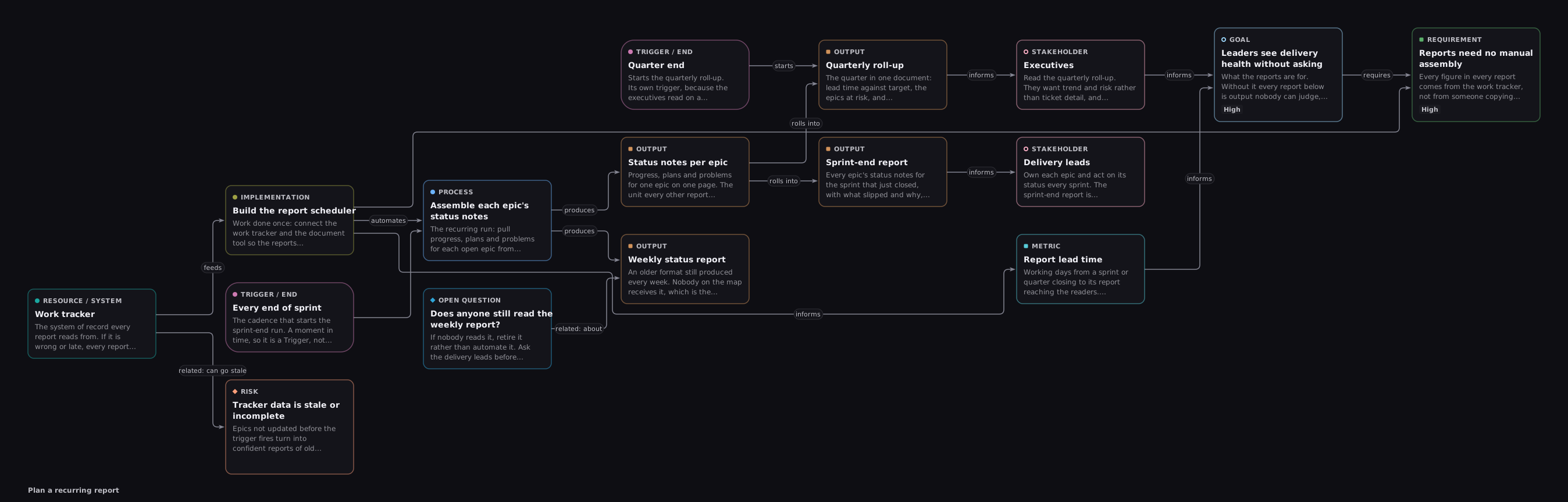
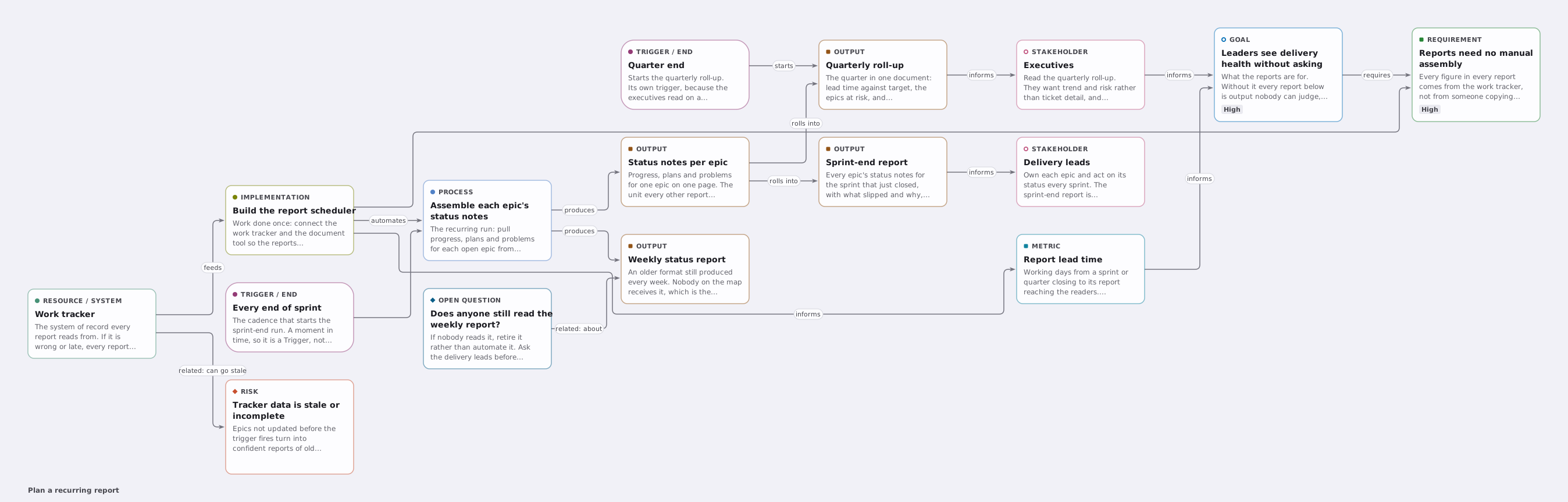
The whole map (it opens at full size), then where it starts, at reading size.
### Constraints and boundaries
- Automate only the reports someone reads
## Planning gaps detected
• Output "Weekly status report" has no consumer: no connection leads from it and no stakeholder is linked, so nobody on the map receives it.Make one of these yours
- Each opens as a new map, so the one you were working on is untouched. Merge (add it beside yours) and Replace are the other choices in the same dialog.
- Reshape it, then Templates, Save this map as a template keeps your version as a starting point.
- Copy brief hands it over; paste the reply into Bring the reply back at the end of the Brief tab, and its
pathfinder-patchfolds the answers into the map. - Prefer generating to clicking? llms.txt is the format spec.